



Table of Contents

 Jun 6, 2026 ·
  5 min read ·
  Summarize in ChatGPT
Your organic traffic is at risk
Search behavior is changing. The appearance of AI Overviews in Google is fundamentally altering how users interact with search results, and the data confirms it. Recent analysis shows that click-through rates for informational queries can fall by over 30% when an AI summary is present. For paid ads, the drop is even more severe.
This isn’t a future problem. It’s happening now. For B2B companies that rely on inbound leads, this shift represents a direct threat to the marketing pipeline. If your content isn’t visible to the AI systems that assemble these answers, your website effectively disappears. The first step in adapting is a technical audit. Google Search Console provides the necessary tools.
1. Confirm crawl access and preview settings
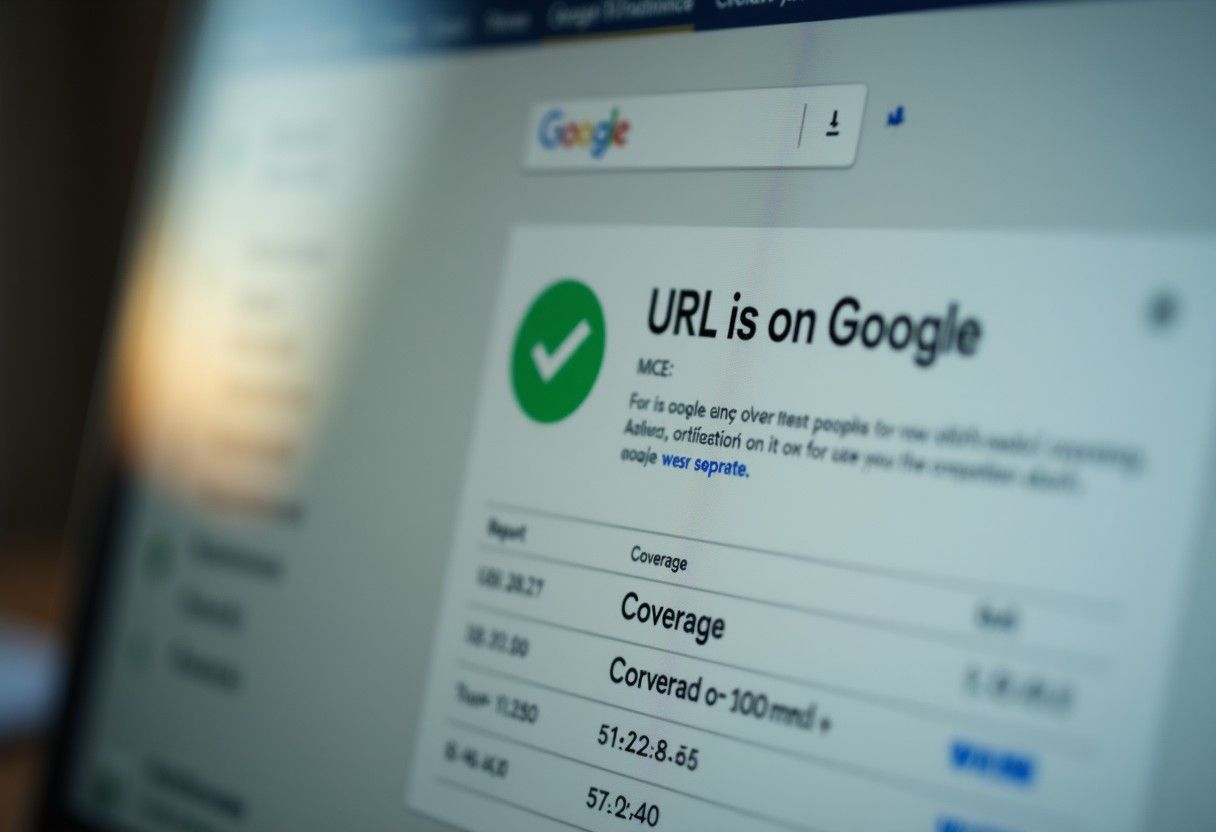
Before anything else, you must confirm Googlebot can read your content. If the crawler is blocked, AI models cannot use your pages as a source. It’s that simple.
Start with your robots.txt file. Ensure it allows access to the text and images on your key pages. Then, use the URL Inspection tool in Google Search Console for a page-by-page review. This report shows you exactly what content Google’s crawler receives. It also flags any preview controls, such as nosnippet or data-nosnippet, that might be blocking parts of your page from being used in search features.
If these controls are active on important explanatory text, Google will not use those passages in AI-generated responses. You are telling it not to. This is a small technical detail with significant business consequences.
2. Target mid-range search queries

AI Overviews do not appear for every search. Research indicates they are frequently triggered by queries with monthly search volumes between 501 and 2,400. These queries occupy a sweet spot. They are specific enough to require a detailed answer but have enough volume to matter.
High-volume head terms (like “cybersecurity services”) are broad and competitive. Very low-volume, long-tail queries may be too niche. The middle of the demand curve is where AI often steps in to provide a direct answer. This is a clear signal for content strategy. Your content plan must include articles and landing pages that directly address these focused questions. A strong inbound marketing program already does this, building a library of expert content that answers the specific problems your buyers are trying to solve.
3. Audit your structured data

Structured data, or schema markup, remains a core technical signal for search engines. It provides explicit context about your content, making it easier for machines to understand. Most agencies get this wrong.
Use Google’s Rich Results Test to check for syntax errors and confirm your markup is consistent with the visible content on the page. Inconsistencies can lead to penalties. According to Google’s own guidelines, if your structured data does not match the content users see, you risk a manual action that makes the page ineligible for rich results.
This is a common failure point for websites built on platforms like WordPress or Shopify that rely on third-party plugins to generate schema. These plugins can become outdated or misconfigured. Verifying their output is not optional. A technical SEO audit is the only way to be sure your schema is accurate and compliant. At 321 Web Marketing, reviewing and correcting structured data is a standard part of our technical SEO programs and new website builds, ensuring our clients have a sound foundation for search visibility.
4. Monitor performance in Search Console
Measurement closes the loop. Google includes traffic from AI features within the standard “Web” search type in your Search Console Performance Report. You won’t find a separate “AI Overviews” filter, at least not yet. This means you need to monitor your existing reports for changes in traffic patterns.
Track clicks and impressions for your target pages and queries over time. A steady decline in clicks despite stable impressions for a query that now triggers an AI Overview is a strong indicator that you are being cited but not clicked. This data helps measure how often your pages appear in AI responses, even if it doesn’t result in a direct visit. For a more complete view, third-party platforms like ZipTie can help track your citation presence across multiple AI systems, giving you a wider perspective on brand visibility.
A regular audit confirms crawlers can read your site and that your technical setup is valid. These checks are now essential for helping AI search systems find and use your content.
Auditing for AI readiness is becoming a standard part of any serious SEO strategy. If you are concerned your website isn’t prepared for the changes in Google Search, we can review your current setup and outline a clear path forward.

Kim Greer
OFP Law
One of the best business decisions I ever made was to contract with 321 Web Marketing. Jonathan Gessert and his team are knowledgeable, efficient, and effective, making digital marketing goals easy to achieve and helping [...]

Kelly Cole
Business Benefits Group
My company hired 321 Web Marketing in February 2016 to resurrect our web site. We feel our web site is the face to our business and desperately needed a make over. 321 took us from blah to WOW effortlessly and what a difference [...]

Emily Hawkins
Diener & Associates
Thanks to 321 Web Marketing, the client has seen an increase in their search engine leads, averaging 12 qualified leads per month. The client has also achieved prominent Google Maps and search placement. The team [...]

Trevor Telesz
Paw Pals Pet Sitting
321 Web Marketing successfully translated the client’s design into a stunning and refreshed website, ensuring seamless functionality across all dynamic views. The team provided clear timelines and stuck to them, [...]

Corey Davis
Spartan Animal & Pest Control
321 Web Marketing is truly phenomenal at what they do. Their ability to communicate and describe the steps and actions that they are implementing, Alex Zarpas in particular, is excellent. Delivering on promises is all [...]

Alec Roberts
MFE Insurance
I can’t say it enough, Jonathan and his team have gone above and beyond since day one to accommodate our needs and meet our goals. I run a specialty insurance brokerage based in LA and once we found 321 we never looked [...]

Richard Wilbur III
Advantage.Tech
Thanks to 321 Web Marketing’s web development work, the client increased rankings and traffic from search engines. Also, their business secured prominent positions on Google Maps and industry-relevant, profitable [...]

Bruce Gemmill
FVCbank
After the website revamp, the client saw a steady rise in leads from search engines, resulting in additional traffic. 321 Web Marketing is highly punctual when it comes to deliverables, and internal stakeholders are [...]

Drew Weeks
VAE
321 Web Marketing delivered a sleek website that accurately portrays the size and quality of the client’s organization. All of their completed websites have received positive feedback from users who have been [...]

Ryan Masten
Masten Pools
321 Web Marketing has increased the client’s leads from zero to 53 monthly. Their SEO efforts pay off impressively due to a top-ranking position on Google and making the site the number one result for several [...]