



 May 27, 2026 ·
  5 min read ·
  Summarize in ChatGPT
Your SEO reports are probably focused on the wrong things.
Marketing teams present reports filled with keyword rankings, traffic charts, and lead counts. On paper, things look good. But leadership is still asking why qualified leads aren’t growing, and the sales team is complaining about quality.
This is a common misalignment. The issue isn’t a lack of effort. It’s a failure of the metrics. Traditional SEO reporting is becoming a poor measure of actual search visibility, and it leaves you exposed to volatility.
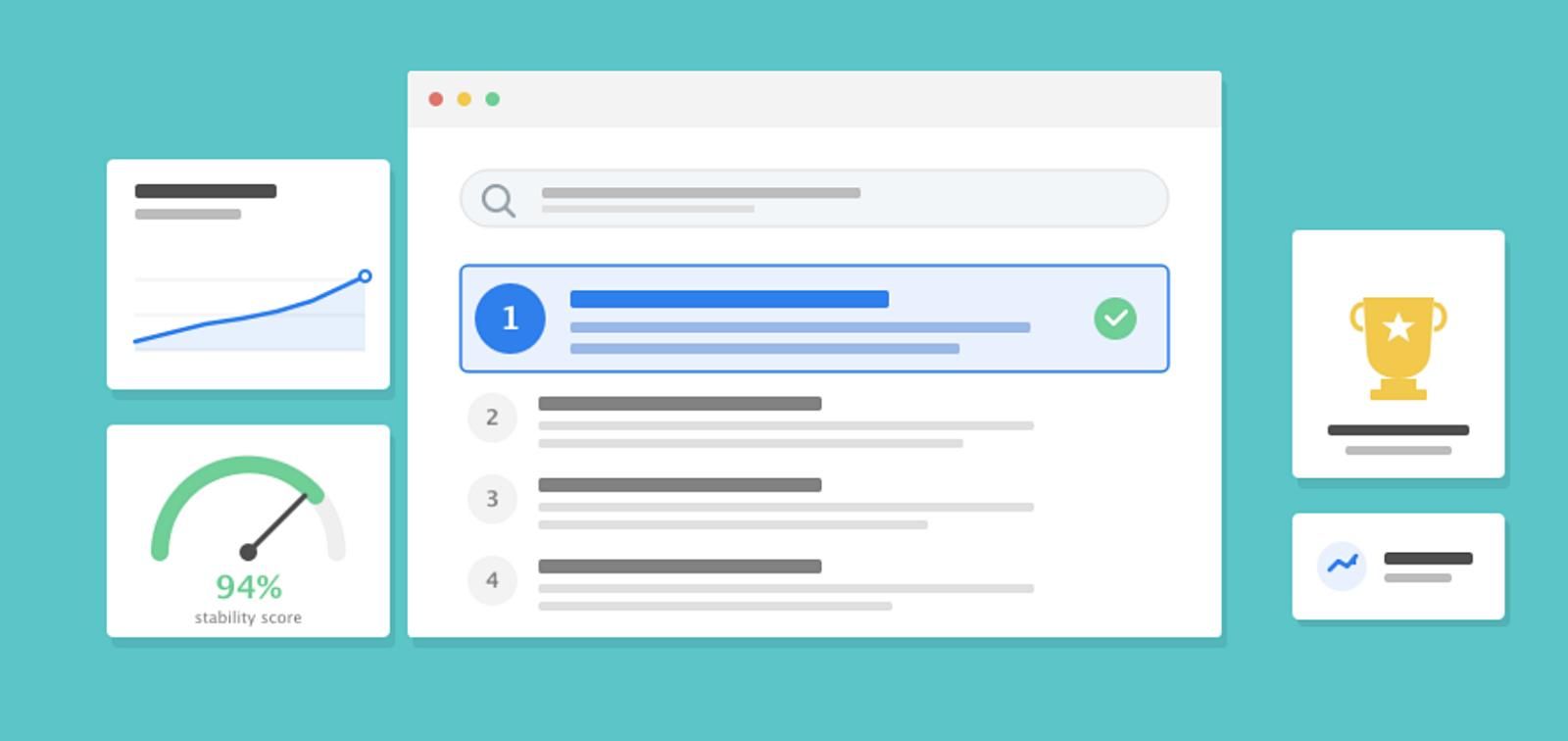
More than half of all Google searches now end without a click, according to data from SparkToro. Users get their answers from summaries and featured snippets directly on the results page. When Google’s AI Overviews appear, Seer Interactive’s research shows click-through rates can fall by as much as 61%. Your brand might be cited as a source, giving you valuable exposure, but your analytics will show nothing. It’s a ghost impression.
In this environment, chasing keyword rankings is a losing game. The one metric that signals true authority and predicts long-term stability is something different. It’s branded search demand.
The signal that separates brands from websites
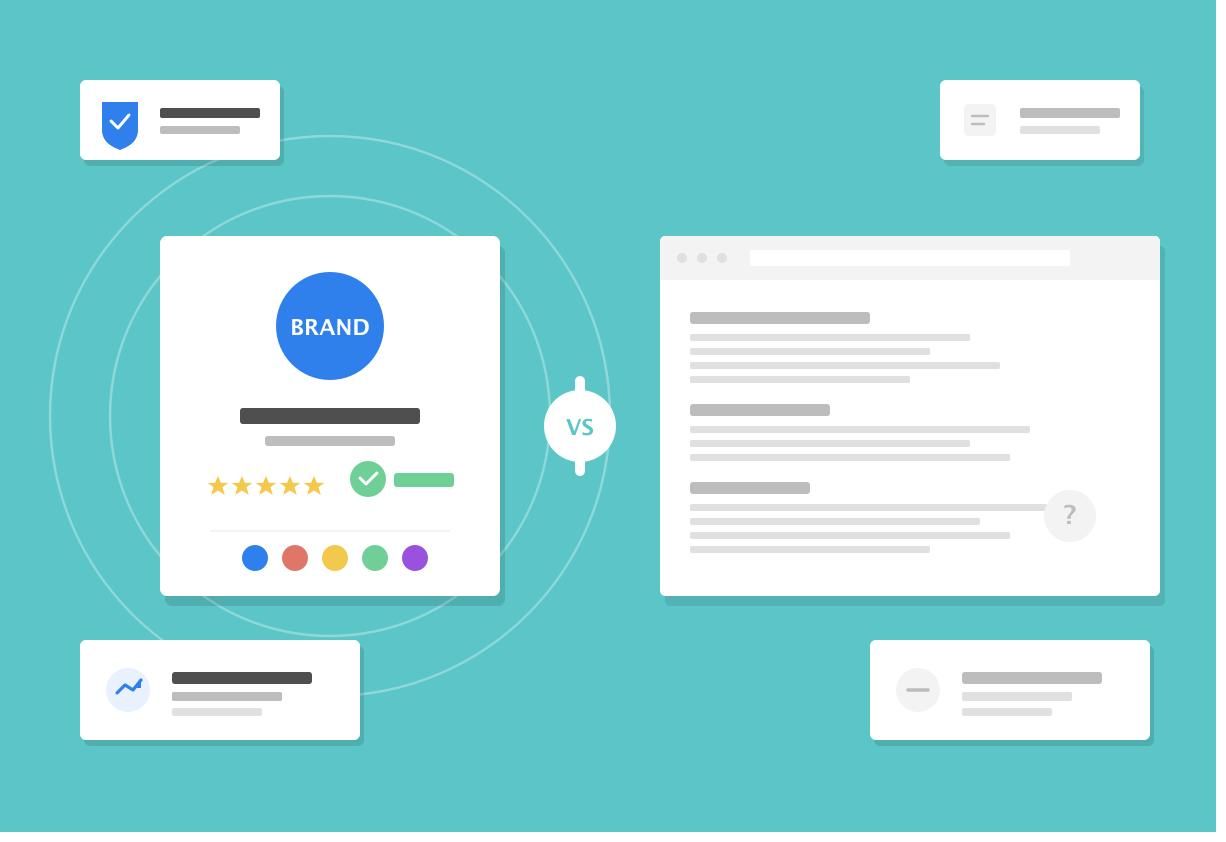
Branded search demand is the volume of queries that include your company name, product name, or a close variation. It’s the measure of how many people are looking for you specifically.
This isn’t just another vanity metric. It’s a direct signal to search engines that your organization is a recognized entity, not just another website publishing content. When someone searches for “acme cybersecurity solutions” instead of “cybersecurity solutions,” they demonstrate familiarity and trust. At scale, this pattern tells search engines that you are an authority in your space.
Most agencies get this wrong. They focus on the short-term win of a non-branded keyword ranking while ignoring the long-term asset of brand recognition. A strong inbound marketing strategy should build a brand that people remember and seek out. The website is the engine for that, creating the expert content that builds your reputation over time and earns that name recognition.
How branded demand anchors your rankings
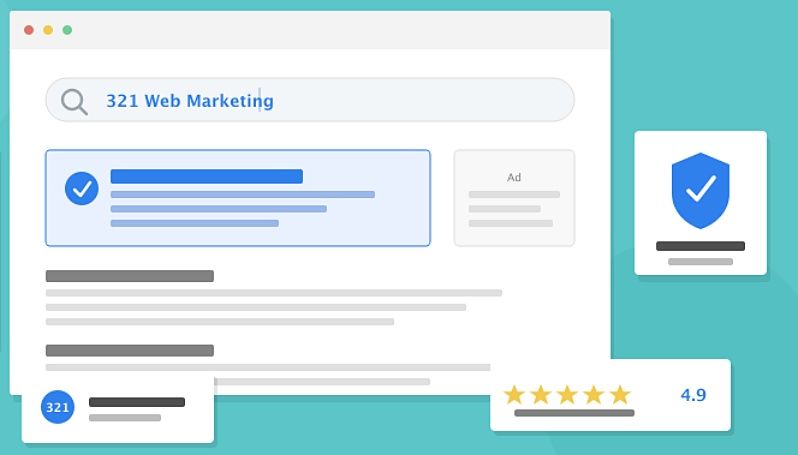
Sites with stronger branded search demand consistently show greater ranking stability during major algorithm updates. This observation, supported by analysis from Moz, points to a fundamental truth about how modern search works. When Google sees a steady stream of users looking for you by name, it treats your domain as a more trusted source.
That trust acts as an anchor.
When algorithm updates shift how technical factors, links, or content formats are weighted, that underlying brand authority helps insulate your site from volatility. Lesser-known competitors might see their rankings swing wildly, while your position remains more consistent. It’s a moat.
This is the compounding effect of a disciplined inbound strategy. You publish useful, expert content that solves real problems. People find it, trust it, and start to associate your name with the solution. Over time, they stop searching for the problem and start searching for you.
Building this signal is a core focus of our work at 321 Web Marketing. Our content and SEO programs are designed to establish our clients as topical authorities, which naturally drives growth in the one metric that Google can’t ignore: people looking for you by name.
Measuring what actually matters
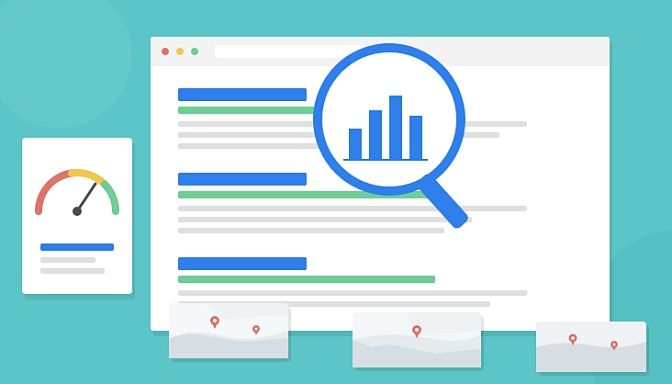
You can measure this signal directly in Google Search Console. It doesn’t require complex attribution software. You just need to know where to look.
Start by comparing your branded vs. non-branded search query volume. You can do this by creating a filter in the Performance report to include and exclude queries containing your brand name.
Four things to track:
- The Branded Query Share: What percentage of your total search clicks and impressions come from branded terms? A rising share indicates growing brand equity.
- Growth Rate Over Time: Is your absolute volume of branded search impressions growing quarter over quarter? This is a simple, powerful indicator of brand health.
- Autocomplete Suggestions: When you start typing your industry’s primary search terms, does your brand name appear as a suggested query? This shows that Google’s algorithm associates your entity with the topic at a massive scale.
- Related Queries: Do searches for your brand show competitors or industry topics in the “People also ask” or “Related searches” sections? This reveals how Google understands your place in the market.
(And yes, this is a metric your finance team will actually understand. Are more people looking for us by name this quarter than last quarter? It cuts through the marketing jargon.)
Stop chasing volatility
Ranking reports are reactive. Branded search demand is predictive. It reflects the real-world authority and trust you’ve built with your audience, which is the most durable asset you can have in SEO.
As AI summaries and zero-click results become the norm, the game is no longer about winning the click every time. It’s about being the brand that is consistently cited, trusted, and sought out. Focus on building the authority that makes people look for you, and you’ll build a marketing asset that algorithm updates can’t easily take away.
If your current SEO reporting feels disconnected from real business growth, we should talk. 321 can help you build a strategy focused on the brand authority that creates predictable visibility and drives qualified inbound leads.
Kim Greer
OFP Law
One of the best business decisions I ever made was to contract with 321 Web Marketing. Jonathan Gessert and his team are knowledgeable, efficient, and effective, making digital marketing goals easy to achieve and helping [...]

Kelly Cole
Business Benefits Group
My company hired 321 Web Marketing in February 2016 to resurrect our web site. We feel our web site is the face to our business and desperately needed a make over. 321 took us from blah to WOW effortlessly and what a difference [...]
Emily Hawkins
Diener & Associates
Thanks to 321 Web Marketing, the client has seen an increase in their search engine leads, averaging 12 qualified leads per month. The client has also achieved prominent Google Maps and search placement. The team [...]
Trevor Telesz
Paw Pals Pet Sitting
321 Web Marketing successfully translated the client’s design into a stunning and refreshed website, ensuring seamless functionality across all dynamic views. The team provided clear timelines and stuck to them, [...]

Corey Davis
Spartan Animal & Pest Control
321 Web Marketing is truly phenomenal at what they do. Their ability to communicate and describe the steps and actions that they are implementing, Alex Zarpas in particular, is excellent. Delivering on promises is all [...]
Alec Roberts
MFE Insurance
I can’t say it enough, Jonathan and his team have gone above and beyond since day one to accommodate our needs and meet our goals. I run a specialty insurance brokerage based in LA and once we found 321 we never looked [...]
Richard Wilbur III
Advantage.Tech
Thanks to 321 Web Marketing’s web development work, the client increased rankings and traffic from search engines. Also, their business secured prominent positions on Google Maps and industry-relevant, profitable [...]

Bruce Gemmill
FVCbank
After the website revamp, the client saw a steady rise in leads from search engines, resulting in additional traffic. 321 Web Marketing is highly punctual when it comes to deliverables, and internal stakeholders are [...]
Drew Weeks
VAE
321 Web Marketing delivered a sleek website that accurately portrays the size and quality of the client’s organization. All of their completed websites have received positive feedback from users who have been [...]

Ryan Masten
Masten Pools
321 Web Marketing has increased the client’s leads from zero to 53 monthly. Their SEO efforts pay off impressively due to a top-ranking position on Google and making the site the number one result for several [...]